Insights · Product Marketing
Product Marketing Case Studies: What Success Actually Looks Like
What a genuinely successful product marketing engagement looks like in practice, and how it's measured.
By the Pinwheel team · · 739 words
What we mean by success
A successful product marketing program is one where an agreed metric, not a vague sense of activity, moved in the right direction over a defined period.
The shape of a typical engagement
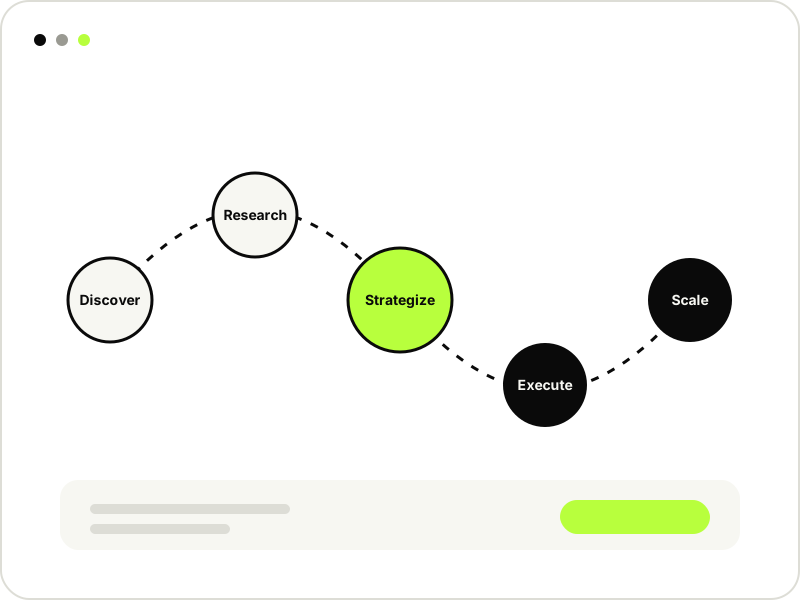
Challenge, strategy, execution, result: understanding a case study through this structure makes it much easier to judge whether a similar approach would fit your own business.
What changes first
In most product marketing engagements, the earliest visible change is in tracking and reporting clarity, before the headline metric itself starts moving.
A note on real results
Real, attributed case studies are published only once client reporting is finalized and permission to share is confirmed, treat any agency's results as illustrative until you've seen the underlying numbers.
What to ask an agency about their case studies
Ask specifically what was measured, over what time period, and against what starting baseline, vague success stories rarely survive that level of detail.
The channels that carry most of the work
In a typical product marketing program, Product launch campaigns and Sales enablement collateral carry most of the day-to-day activity, while Website and product pages and Email announcements tend to support specific parts of the funnel rather than running as standalone efforts. Understanding which tool is doing which job makes it much easier to diagnose a program that isn't performing, rather than assuming the whole approach needs to change when usually only one piece does.
How the pieces fit together
Product positioning and messaging and Go-to-market launch planning usually come first, since later work depends on getting them right. Competitive analysis and battlecards and Sales enablement materials build on that foundation, and are where most of the ongoing, month-to-month effort tends to go once the initial setup is in place. Skipping the order and jumping straight to the later pieces is one of the more common reasons product marketing underperforms relative to the effort put into it.
How do you develop product messaging?
Through customer interviews, win/loss analysis and competitive research, translated into a clear value proposition that connects product features to the specific problems your buyers care about.
Do you help plan product launch events or webinars?
Yes — launch planning includes the messaging, timeline and channel plan, coordinated with any webinar, demo or press activity around the launch date.
Is product marketing only relevant for tech/SaaS companies?
No — any business launching new products or significant features benefits from deliberate positioning and go-to-market planning, though the discipline is especially visible in tech.
How do you measure product marketing success?
Adoption of the new product or feature, sales team confidence and win rate on related deals, and clarity of customer understanding measured through research or feedback.
How this connects to SaaS Marketing
Product Marketing rarely works in isolation. It's closely connected to saas marketing. Grow trial signups, activation and expansion revenue, not just traffic. Businesses that plan the two together, rather than treating them as separate budgets and separate teams, tend to get more out of both.
How this looks in SaaS
In saas, product marketing typically has to account for converting free trials or demos into paying customers, which shapes both the channel mix and the pace of the program compared with a generic playbook applied to any business regardless of sector.
Where Product Marketing sits in a full marketing plan
Product Marketing rarely operates as a standalone effort inside a mature marketing program. It usually feeds data to, and draws budget decisions from, whatever else is running alongside it, so the businesses that get the most out of product marketing are the ones who plan it as part of a wider system rather than a siloed line item with its own separate goals and its own separate reporting.
Signs it's working
The earliest reliable signal that product marketing is on track usually isn't a headline metric moving, it's cleaner data: consistent tracking, a shrinking list of open questions about what's driving results, and a team that can explain, in plain language, why last month's numbers looked the way they did. The headline metric tends to follow once that foundation is solid.
Signs it's not working
The clearest warning sign isn't a bad month, individual months are noisy, it's a program where nobody can explain why performance moved, where the same questions keep coming up unanswered, or where more budget is proposed as the fix to every problem regardless of what the data actually shows.
FAQs
How is product marketing different from general marketing?
Product marketing focuses specifically on positioning, messaging and launch strategy for a product or feature, working closely with product and sales teams, rather than running broad brand or demand campaigns.
What is a battlecard?
A concise internal document that helps sales understand how a product compares against specific competitors, so reps can address objections confidently in real time.