Insights · B2C Marketing
The Complete Guide to B2C Marketing in 2027
Everything you need to know about B2C Marketing: what it is, what's included, and how to get real results. A practical 2027 guide.
By the Pinwheel team · · 770 words
What is B2C Marketing?
B2C marketing reaches individual consumers directly, typically with shorter decision cycles driven by emotion, price, convenience and social proof, across social, search, retail and marketplace channels. In practice, that means treating B2C Marketing as one coordinated system rather than a single tactic.
What's included in a proper B2C Marketing program
A complete B2C Marketing engagement usually covers: Social and influencer campaigns; Performance advertising; Promotions and seasonal campaigns; Loyalty and retention programs; Retail/marketplace coordination; and Customer review and UGC generation.
Why it matters in 2027
Consumer buying decisions are often faster and more emotionally driven than B2B, rewarding brands that show up consistently with compelling creative and social proof at the exact moment a purchase decision is being made.
Where most businesses go wrong
The most common failure mode isn't a bad tactic, it's skipping the planning step: businesses jump straight into social and influencer campaigns without first agreeing what a good result is worth, then can't tell months later whether B2C Marketing actually worked.
Getting started
Start with a short audit of where you stand today, agree a small number of metrics that define success, then bring in the specific B2C Marketing disciplines above in the order that matches your biggest gap first.
The channels that carry most of the work
In a typical B2C Marketing program, Instagram & Facebook and Google Shopping/Search carry most of the day-to-day activity, while Marketplaces and Email/SMS/WhatsApp tend to support specific parts of the funnel rather than running as standalone efforts. Understanding which tool is doing which job makes it much easier to diagnose a program that isn't performing, rather than assuming the whole approach needs to change when usually only one piece does.
How the pieces fit together
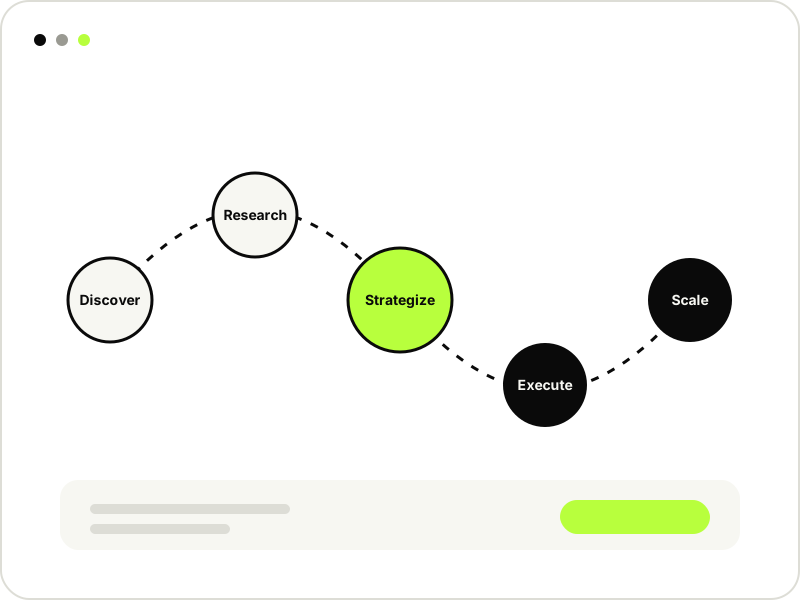
Social and influencer campaigns and Performance advertising usually come first, since later work depends on getting them right. Promotions and seasonal campaigns and Loyalty and retention programs build on that foundation, and are where most of the ongoing, month-to-month effort tends to go once the initial setup is in place. Skipping the order and jumping straight to the later pieces is one of the more common reasons B2C Marketing underperforms relative to the effort put into it.
Which channels work best for B2C marketing?
It depends on the category, but social media, search and marketplace advertising, supported by email/SMS retention campaigns, form the backbone for most consumer brands.
How important are reviews for B2C marketing?
Very — consumer buyers rely heavily on social proof, so review generation and visible response to feedback directly affects conversion rate.
Do seasonal campaigns matter for B2C brands?
Significantly — many consumer categories see large demand spikes around festivals and shopping seasons, requiring dedicated creative and budget planning well in advance.
How do you measure B2C marketing performance?
Conversion rate, cost per acquisition, average order value and repeat purchase rate, tracked across whichever channels are driving the traffic.
How this connects to E-commerce Marketing
B2C Marketing rarely works in isolation. It's closely connected to e-commerce marketing. Turn store traffic into repeat customers, not just one-time buyers. Businesses that plan the two together, rather than treating them as separate budgets and separate teams, tend to get more out of both.
How this looks in Finance
In finance, B2C Marketing typically has to account for strict regulatory and platform advertising restrictions, which shapes both the channel mix and the pace of the program compared with a generic playbook applied to any business regardless of sector.
Where B2C Marketing sits in a full marketing plan
B2C Marketing rarely operates as a standalone effort inside a mature marketing program. It usually feeds data to, and draws budget decisions from, whatever else is running alongside it, so the businesses that get the most out of B2C Marketing are the ones who plan it as part of a wider system rather than a siloed line item with its own separate goals and its own separate reporting.
Signs it's working
The earliest reliable signal that B2C Marketing is on track usually isn't a headline metric moving, it's cleaner data: consistent tracking, a shrinking list of open questions about what's driving results, and a team that can explain, in plain language, why last month's numbers looked the way they did. The headline metric tends to follow once that foundation is solid.
Signs it's not working
The clearest warning sign isn't a bad month, individual months are noisy, it's a program where nobody can explain why performance moved, where the same questions keep coming up unanswered, or where more budget is proposed as the fix to every problem regardless of what the data actually shows.
FAQs
How is B2C marketing different from D2C marketing?
B2C is the broader category covering any consumer-facing marketing, including through retail and marketplace channels; D2C specifically refers to brands selling directly to consumers without traditional retail intermediaries.
What drives most B2C purchase decisions?
Price, convenience, social proof (reviews and recommendations) and emotional appeal typically outweigh the detailed feature comparisons that dominate B2B decisions.