Insights · Event Marketing
How to Choose the Right Event Marketing Agency
A practical checklist for evaluating event marketing agencies in India, beyond just the price they quote you.
By the Pinwheel team · · 722 words
Ask what they actually measure
A serious event marketing partner should be able to describe, before you sign anything, exactly which numbers your engagement will be judged on.
Check who owns your accounts
Ad accounts, analytics and any website access should be created under your ownership, with the agency added as a user, not the other way round.
Look for a documented process
Ask specifically how they'd approach event strategy and format selection and pre-event promotion campaigns for a business like yours; a vague answer is a bad sign.
Be skeptical of guarantees
No legitimate agency can guarantee a specific ranking, a specific number of leads, or an exact return by a set date. A confident, honest timeline is a better sign than a bold promise.
Ask for the reporting cadence upfront
Decide together, before you start, how often you'll review results and what that report will actually contain.
Trust the consultation itself
How an agency handles the first conversation about your event marketing needs, whether they ask about your business or jump straight to a pitch, tells you a lot about how the relationship will run.
The channels that carry most of the work
In a typical event marketing program, Email invitations and LinkedIn and social promotion carry most of the day-to-day activity, while Paid event advertising and Partner and co-marketing promotion tend to support specific parts of the funnel rather than running as standalone efforts. Understanding which tool is doing which job makes it much easier to diagnose a program that isn't performing, rather than assuming the whole approach needs to change when usually only one piece does.
How the pieces fit together
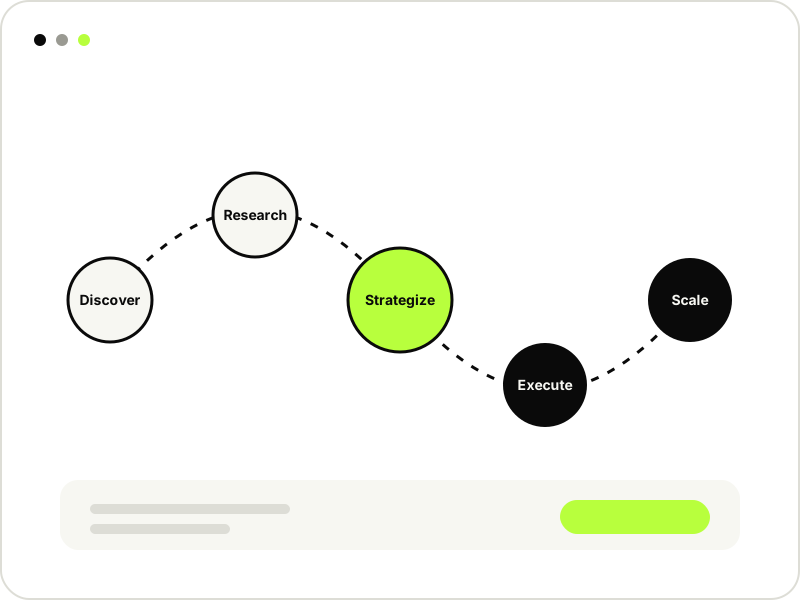
Event strategy and format selection and Pre-event promotion campaigns usually come first, since later work depends on getting them right. Registration and landing page setup and On-site/virtual experience coordination build on that foundation, and are where most of the ongoing, month-to-month effort tends to go once the initial setup is in place. Skipping the order and jumping straight to the later pieces is one of the more common reasons event marketing underperforms relative to the effort put into it.
Do webinars count as event marketing?
Yes — virtual events like webinars follow the same promotion, registration and follow-up principles as in-person events, often at lower cost and with easier lead capture.
What happens after the event to convert attendees into leads?
A structured follow-up sequence — thank-you emails, recorded content, personalized outreach for engaged attendees — is planned before the event, not improvised afterward.
How do you measure event marketing ROI?
Registration-to-attendance rate, leads generated, and — where trackable — pipeline or revenue influenced by attendees, weighed against the event's total cost.
Can event marketing work for a small business with a limited budget?
Yes — smaller-scale webinars, local meetups or co-hosted events with partners can generate strong results without a large-conference budget.
How this connects to B2B Marketing
Event Marketing rarely works in isolation. It's closely connected to B2B Marketing. Demand generation built for long sales cycles and committee decisions. Businesses that plan the two together, rather than treating them as separate budgets and separate teams, tend to get more out of both.
Where Event Marketing sits in a full marketing plan
Event Marketing rarely operates as a standalone effort inside a mature marketing program. It usually feeds data to, and draws budget decisions from, whatever else is running alongside it, so the businesses that get the most out of event marketing are the ones who plan it as part of a wider system rather than a siloed line item with its own separate goals and its own separate reporting.
Signs it's working
The earliest reliable signal that event marketing is on track usually isn't a headline metric moving, it's cleaner data: consistent tracking, a shrinking list of open questions about what's driving results, and a team that can explain, in plain language, why last month's numbers looked the way they did. The headline metric tends to follow once that foundation is solid.
Signs it's not working
The clearest warning sign isn't a bad month, individual months are noisy, it's a program where nobody can explain why performance moved, where the same questions keep coming up unanswered, or where more budget is proposed as the fix to every problem regardless of what the data actually shows.
FAQs
What's the difference between event marketing and event planning?
Event planning handles logistics — venue, catering, schedule. Event marketing focuses on driving attendance, engagement and lead generation before, during and after the event.
How far in advance should event promotion start?
For significant events, promotion typically begins six to eight weeks ahead, with a final push in the last one to two weeks before the event date.