Insights · Online Marketing
How to Choose the Right Online Marketing Agency
A practical checklist for evaluating online marketing agencies in India, beyond just the price they quote you.
By the Pinwheel team · · 730 words
Ask what they actually measure
A serious online marketing partner should be able to describe, before you sign anything, exactly which numbers your engagement will be judged on.
Check who owns your accounts
Ad accounts, analytics and any website access should be created under your ownership, with the agency added as a user, not the other way round.
Look for a documented process
Ask specifically how they'd approach website and landing page strategy and search visibility (organic and paid) for a business like yours; a vague answer is a bad sign.
Be skeptical of guarantees
No legitimate agency can guarantee a specific ranking, a specific number of leads, or an exact return by a set date. A confident, honest timeline is a better sign than a bold promise.
Ask for the reporting cadence upfront
Decide together, before you start, how often you'll review results and what that report will actually contain.
Trust the consultation itself
How an agency handles the first conversation about your online marketing needs, whether they ask about your business or jump straight to a pitch, tells you a lot about how the relationship will run.
The channels that carry most of the work
In a typical online marketing program, Owned website and Search engines carry most of the day-to-day activity, while Social platforms and Email tend to support specific parts of the funnel rather than running as standalone efforts. Understanding which tool is doing which job makes it much easier to diagnose a program that isn't performing, rather than assuming the whole approach needs to change when usually only one piece does.
How the pieces fit together
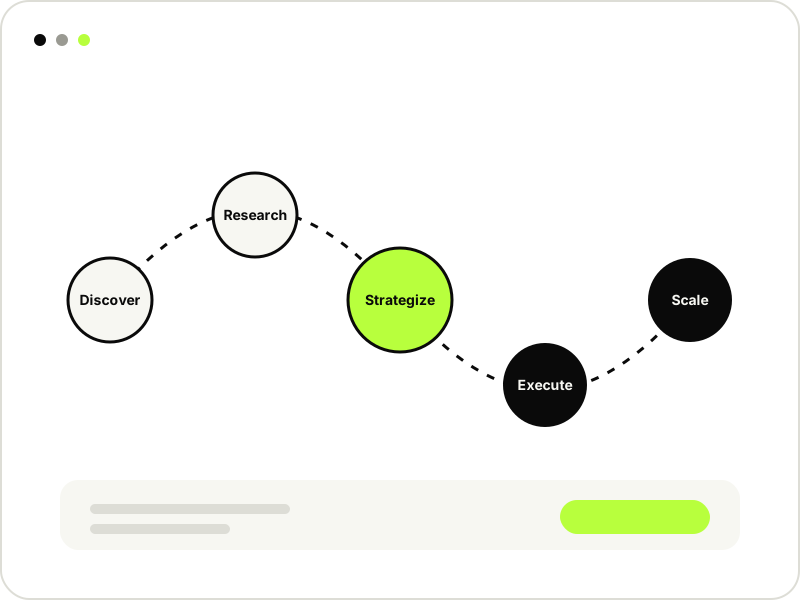
Website and landing page strategy and Search visibility (organic and paid) usually come first, since later work depends on getting them right. Social media presence and Email and lifecycle marketing build on that foundation, and are where most of the ongoing, month-to-month effort tends to go once the initial setup is in place. Skipping the order and jumping straight to the later pieces is one of the more common reasons online marketing underperforms relative to the effort put into it.
How does online marketing help offline businesses?
Local search, maps listings and review management help nearby customers discover and choose an offline business before they ever visit, even if the transaction itself happens in person.
Is online marketing suitable for B2B companies?
Yes — B2B buyers research vendors online long before contacting sales, so a credible website, LinkedIn presence and search visibility directly influence which vendors get shortlisted.
How do you keep online marketing activity consistent across channels?
A shared content and messaging calendar keeps website, social, email and paid creative aligned, so a prospect sees one coherent story regardless of where they encounter the brand.
What reporting will I receive?
A recurring report covering traffic, leads, channel-level performance and the status of active projects, reviewed together on a call rather than left as a static PDF.
How this connects to Digital Marketing
Online Marketing rarely works in isolation. It's closely connected to digital marketing. The full-funnel digital marketing engine behind sustainable growth. Businesses that plan the two together, rather than treating them as separate budgets and separate teams, tend to get more out of both.
Where Online Marketing sits in a full marketing plan
Online Marketing rarely operates as a standalone effort inside a mature marketing program. It usually feeds data to, and draws budget decisions from, whatever else is running alongside it, so the businesses that get the most out of online marketing are the ones who plan it as part of a wider system rather than a siloed line item with its own separate goals and its own separate reporting.
Signs it's working
The earliest reliable signal that online marketing is on track usually isn't a headline metric moving, it's cleaner data: consistent tracking, a shrinking list of open questions about what's driving results, and a team that can explain, in plain language, why last month's numbers looked the way they did. The headline metric tends to follow once that foundation is solid.
Signs it's not working
The clearest warning sign isn't a bad month, individual months are noisy, it's a program where nobody can explain why performance moved, where the same questions keep coming up unanswered, or where more budget is proposed as the fix to every problem regardless of what the data actually shows.
FAQs
What's the difference between online marketing and digital marketing?
In practice the two terms are used interchangeably. 'Online marketing' sometimes emphasizes the owned-and-organic side (website, listings, organic social), while 'digital marketing' is used as the broader umbrella including paid media.
Where should a new business start with online marketing?
A fast, mobile-friendly website with clear contact paths, plus accurate listings on Google Business Profile and relevant directories, is the foundation before layering on paid or content channels.