Insights · SEO
Top Tools Used in SEO (2027 Edition)
The platforms and tools that actually matter for SEO in 2027, and what each is used for.
By the Pinwheel team · · 722 words
Google Search
Central to most SEO programs, Google Search is typically where the bulk of day-to-day activity happens.
Bing
Bing complements the core platform, usually handling a specific part of the funnel that the main tool doesn't cover well.
Google Business Profile
Google Business Profile is what turns raw activity into decisions you can actually act on.
Tools are secondary to strategy
The right tools matter, but no platform fixes a program that hasn't first agreed on goals, audience and message.
Keeping the stack lean
Most successful SEO programs run on a handful of well-used tools rather than a large, half-configured stack.
The channels that carry most of the work
In a typical SEO program, Google Search and Bing carry most of the day-to-day activity, while Google Business Profile and Google Search Console tend to support specific parts of the funnel rather than running as standalone efforts. Understanding which tool is doing which job makes it much easier to diagnose a program that isn't performing, rather than assuming the whole approach needs to change when usually only one piece does.
How the pieces fit together
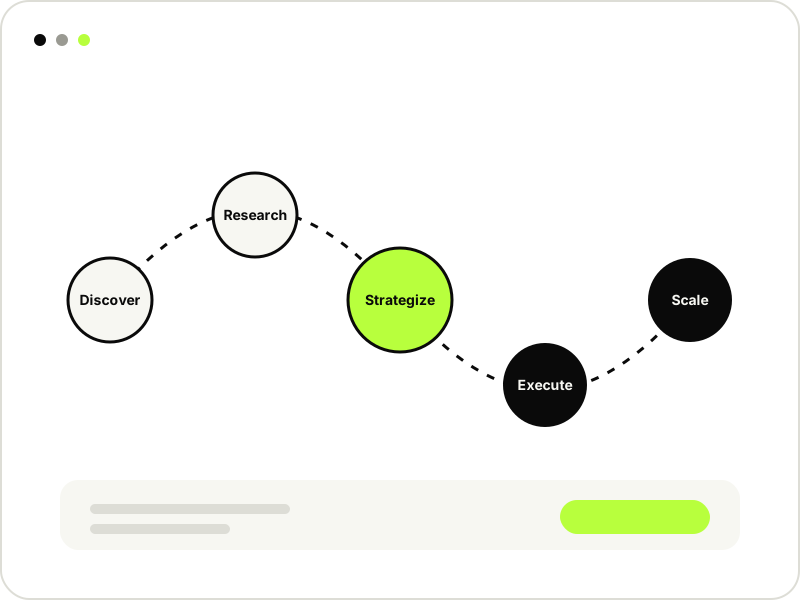
Local SEO and Technical SEO usually come first, since later work depends on getting them right. On-Page SEO and Off-Page SEO build on that foundation, and are where most of the ongoing, month-to-month effort tends to go once the initial setup is in place. Skipping the order and jumping straight to the later pieces is one of the more common reasons SEO underperforms relative to the effort put into it.
Can you guarantee a #1 Google ranking?
No — and any agency that promises this is a red flag, since no one controls Google's algorithm. What we can commit to is a documented process, transparent reporting, and rankings tracked against realistic, agreed targets.
Do you handle technical SEO as well as content?
Yes — a technical audit (site speed, crawlability, mobile usability, structured data) typically comes first, since content and keyword work perform poorly on a site with underlying technical problems.
How important is local SEO for a small business?
Very — for any business serving a specific city or region, local search and Google Business Profile visibility often drive more qualified traffic than national keyword rankings ever will.
Does our website need new content for SEO to work?
Usually yes, at least incrementally — search engines reward pages that directly and thoroughly answer a real query, so content strategy and SEO are typically planned together rather than treated as separate workstreams.
How this connects to Content Marketing
SEO rarely works in isolation. It's closely connected to content marketing. Useful content that earns attention instead of interrupting it. Businesses that plan the two together, rather than treating them as separate budgets and separate teams, tend to get more out of both.
Where SEO sits in a full marketing plan
SEO rarely operates as a standalone effort inside a mature marketing program. It usually feeds data to, and draws budget decisions from, whatever else is running alongside it, so the businesses that get the most out of SEO are the ones who plan it as part of a wider system rather than a siloed line item with its own separate goals and its own separate reporting.
Signs it's working
The earliest reliable signal that SEO is on track usually isn't a headline metric moving, it's cleaner data: consistent tracking, a shrinking list of open questions about what's driving results, and a team that can explain, in plain language, why last month's numbers looked the way they did. The headline metric tends to follow once that foundation is solid.
Signs it's not working
The clearest warning sign isn't a bad month, individual months are noisy, it's a program where nobody can explain why performance moved, where the same questions keep coming up unanswered, or where more budget is proposed as the fix to every problem regardless of what the data actually shows.
What changes between month one and month six
Early on, most of the value in SEO comes from getting the basics right: tracking, a clear baseline, and a first round of local SEO. By month six, the focus shifts toward refining what's already shown signal and quietly retiring whatever hasn't, which is usually where the more meaningful gains start to show up in the numbers that matter.
FAQs
How long does SEO take to show results?
Meaningful movement in rankings and traffic typically takes three to six months, since search engines need time to re-crawl, re-index and build trust in a site's changes — this is a compounding channel, not an overnight one.
What's the difference between SEO and SEM?
SEO covers unpaid, organic rankings; SEM (search engine marketing) usually refers to the paid side — search ads. Many teams run both together, using paid data to inform which organic keywords are worth prioritizing.