
Services · E-commerce
PPC Marketing for E-commerce Businesses
Pay-per-click campaigns tuned to your cost-per-acquisition target. Tailored to how e-commerce businesses actually buy and compete.
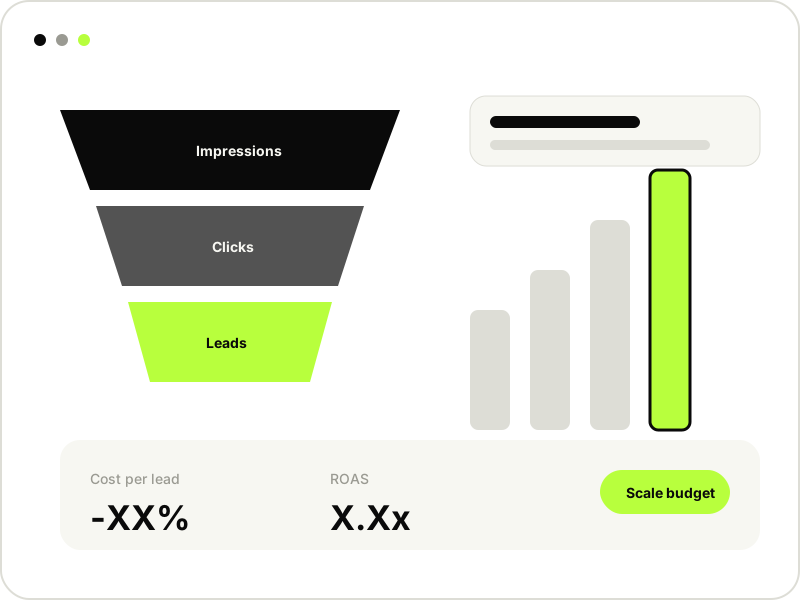
PPC (pay-per-click) marketing runs paid search and display advertising where you're charged only when someone clicks, primarily through Google Ads and Microsoft Advertising, built around keyword intent and conversion tracking.
E-commerce Challenges This Addresses
Rising paid acquisition costs across search and social
Cart abandonment and one-time-only purchase behaviour
Balancing owned-site sales against marketplace dependency
Standing out in visually crowded product categories
How We Approach It for E-commerce
Lead generation for e-commerce is really conversion generation — driving qualified traffic through Shopping ads, social and SEO, then closing the loop with retargeting and cart-recovery email/SMS.
Product-led content — reviews, comparison guides, usage content — supports both SEO visibility and on-site conversion by answering the specific questions that stall a purchase decision.
FAQs
Does PPC Marketing really work differently for e-commerce businesses?
The core PPC Marketing process is the same, but priorities shift — rising paid acquisition costs across search and social tends to matter more here than in a generic account, so we weight strategy accordingly.
What should a e-commerce business expect in the first month of PPC Marketing?
A review of current performance against the specific challenges e-commerce businesses face, followed by a prioritized plan — not a generic template applied without context.
How much should we budget for PPC marketing?
Budget should be set from your target cost per acquisition and expected close rate, then tested at a level sufficient to gather meaningful data within the first month.
What's the difference between PPC and SEO?
PPC delivers immediate, paid placement that stops when spend stops; SEO builds free, organic rankings that take longer to earn but keep delivering traffic without ongoing ad spend.
How quickly can PPC campaigns start generating leads?
Campaigns can go live and start generating clicks within days, though a short learning period is typically needed before performance stabilizes and can be reliably optimized.
What is Quality Score and why does it matter?
Google's Quality Score reflects ad relevance, expected click-through rate and landing page experience; a higher score generally lowers your cost per click for the same ad position.
Start a conversation
Ready for PPC Marketing built around e-commerce?
Tell us about your business and goals. We'll map out where the fastest, most durable wins are — no jargon, no pressure.