
Services · Education
Reputation Marketing for Education Businesses
Turn genuine customer satisfaction into your strongest sales asset. Tailored to how education businesses actually buy and compete.
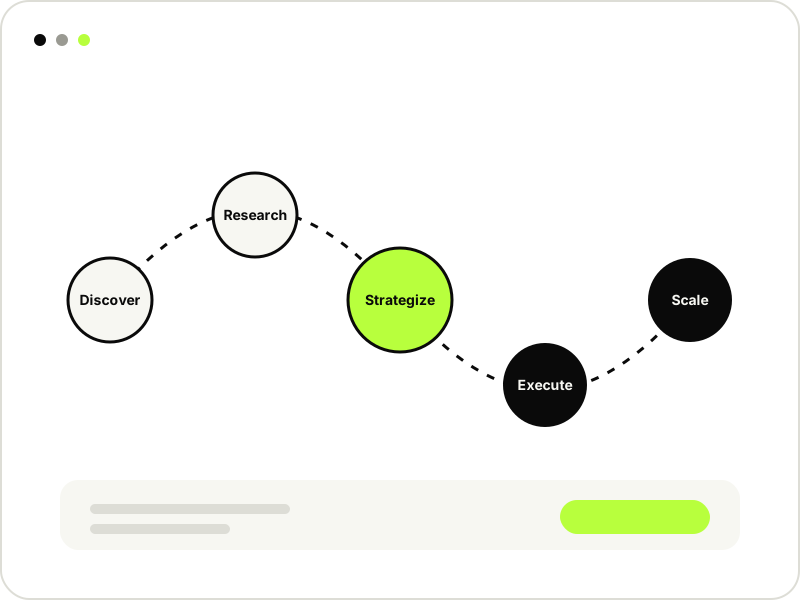
Reputation marketing actively manages and promotes a business's online reviews, ratings and public sentiment, treating a strong reputation as a marketing asset rather than something to react to only when problems arise.
Education Challenges This Addresses
Seasonal admissions cycles with hard application deadlines
Comparing outcomes credibly against competing institutions
Long enquiry-to-enrollment nurture periods involving parents and students
Differentiating between paid leads and genuinely qualified applicants
How We Approach It for Education
Lead generation is timed against the admissions calendar, with campaigns escalating in urgency as application deadlines approach, and enquiry forms designed to qualify genuine intent early.
Outcome-driven content — alumni placements, results, campus and classroom experience — gives prospective students and parents concrete evidence to compare against other institutions.
Pair With
Education Marketing for Education
Fill seats and applications through the channels students and parents trust.
Content Marketing for Education
Useful content that earns attention instead of interrupting it.
Digital Marketing for Education
The full-funnel digital marketing engine behind sustainable growth.
FAQs
Does reputation marketing really work differently for education businesses?
The core reputation marketing process is the same, but priorities shift — seasonal admissions cycles with hard application deadlines tends to matter more here than in a generic account, so we weight strategy accordingly.
What should a education business expect in the first month of reputation marketing?
A review of current performance against the specific challenges education businesses face, followed by a prioritized plan — not a generic template applied without context.
How do you generate more customer reviews ethically?
Through well-timed, genuine requests after a positive interaction — via email, SMS or in person — never through incentivized or fake reviews, which violate most platforms' policies and damage long-term trust.
Should we respond to negative reviews?
Yes, always — a calm, solution-focused public response often reassures future customers more than the negative review itself concerns them, provided it's handled professionally.
How does reputation affect SEO and local search rankings?
Review volume, recency and rating are meaningful factors in local search ranking, particularly on Google Business Profile and Maps results.
What is reputation monitoring?
Ongoing tracking of new reviews and brand mentions across relevant platforms, so issues can be addressed quickly and positive feedback can be highlighted.
Start a conversation
Ready for reputation marketing built around education?
Tell us about your business and goals. We'll map out where the fastest, most durable wins are — no jargon, no pressure.